Fed + Policy Hub
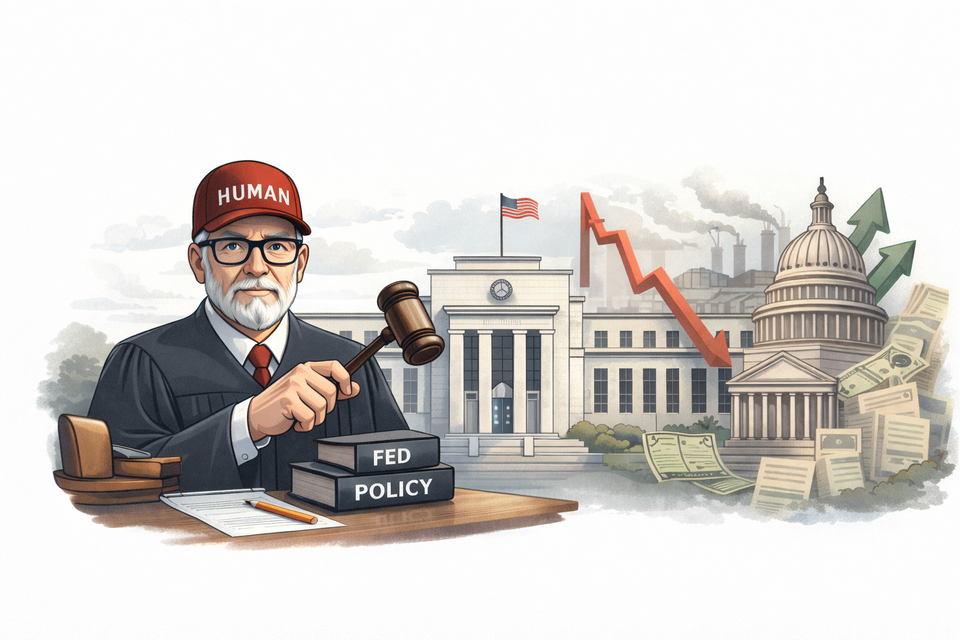
This hub provides context for understanding monetary policy, fiscal policy, and regulatory decisions. Individual articles explore how the Federal Reserve operates, how policy is transmitted through markets and credit, and how government actions shape economic conditions over time.
[Latest Fed + policy articles →]
Fed + Policy: A Quick Review
The Federal Reserve and government policymakers are often discussed as if they directly control economic outcomes. Rates rise, inflation falls. Spending increases, growth accelerates. In practice, policy influence is indirect, delayed, and constrained.
Policy decisions operate through financial conditions, incentives, and expectations. Their effects depend on timing, economic structure, and how households and businesses respond—not just on policymakers' intent.
This section explains what the Federal Reserve and policy tools can do, what they cannot do, and why policy outcomes frequently lag decisions or produce unintended consequences.
Federal Reserve and government policy refer to the set of monetary, fiscal, and regulatory tools used to influence economic conditions, financial stability, and long-term growth — primarily through indirect channels rather than direct control.
What the Federal Reserve Actually Controls
The Federal Reserve does not set mortgage rates, home prices, or stock prices directly. Its influence works through a limited set of tools that affect financial conditions.
Core Federal Reserve tools include:
- The federal funds rate target
- Open market operations
- Balance sheet policy (quantitative easing and tightening)
- Forward guidance and communication
- Bank reserve and liquidity facilities
These tools influence borrowing costs, risk-taking, and credit availability — but only insofar as markets, lenders, and households respond.
Understanding the Fed requires distinguishing between direct control anddirect control market transmission.
How Monetary Policy Moves Through the Economy
Monetary policy works with lags. Changes in rates or liquidity do not immediately alter behavior.
Policy transmission occurs through:
- Bond markets and yield curves
- Bank lending standards
- Asset prices and wealth effects
- Currency values and trade flows
- Expectations and confidence
These channels operate unevenly across sectors and income groups. Housing, for example, often responds more quickly than labor markets, whereas inflation may lag both.
This helps explain why policy effects often appear delayed, muted, or misaligned with headlines.
Fiscal Policy and Government Spending
Fiscal policy refers to government decisions regarding spending, taxation, and the public debt. Unlike monetary policy, fiscal actions can have more immediate and targeted effects — but they also face political and structural constraints.
Fiscal policy influences the economy through:
- Direct spending and transfers
- Tax incentives and disincentives
- Infrastructure and long-term investment
- Automatic stabilizers, such as unemployment benefits
The effectiveness of fiscal policy depends on timing, scale, and economic context. Spending can support growth during downturns but may add inflationary pressure if deployed when capacity is constrained.
Regulation, Credit, and Financial Stability
Policy influence extends beyond rates and spending. Regulatory decisions shape how credit is created, distributed, and constrained.
Key regulatory considerations include:
- Bank capital and liquidity requirements
- Lending standards and risk controls
- Oversight of financial institutions
- Consumer protection frameworks
Tighter regulation can reduce systemic risk but may limit credit availability. Looser regulation can expand access but increase vulnerability to shocks.
Understanding regulation is essential to understanding why credit cycles expand and contract over time.
Policy Tradeoffs and Constraints
Policy decisions involve tradeoffs. Supporting growth may conflict with controlling inflation. Stabilizing markets may increase long-term risk. Expanding access to credit may reduce financial resilience.
Constraints policymakers face include:
- Political timelines and incentives
- Data limitations and revisions
- Global economic conditions
- Market reactions and credibility
- Structural factors outside policy control
Because of these constraints, policy outcomes rarely align perfectly with stated goals.
The Human Side of Policy
Policy is experienced by people, not aggregates.
Households feel policy through job security, borrowing costs, housing affordability, and cost of living. Businesses respond through investment decisions, hiring, and pricing behavior.
Two households can experience the same policy environment very differently depending on income, assets, debt, and geography.
Understanding policy requires understanding how decisions translate into real-world trade-offs—not just how they are announced.
Why This Hub Exists
This publication does not attempt to predict Federal Reserve decisions or policy outcomes.
Its purpose is to provide a durable context—so readers can interpret policy actions, understand transmission mechanisms, and evaluate trade-offs without being distracted by noise or headlines.
Policy shapes the environment in which economic, housing, and mortgage decisions are made. Clear explanations matter.
If you’re considering a purchase, refinance, or simply want to understand how current mortgage conditions apply to your situation, you can schedule a one-on-one conversation with me.
There’s no obligation — just a clear, practical discussion focused on your goals and constraints.
 Nick Cunningham