Single-Family Homes: What First-Time Buyers and Families Typically Choose
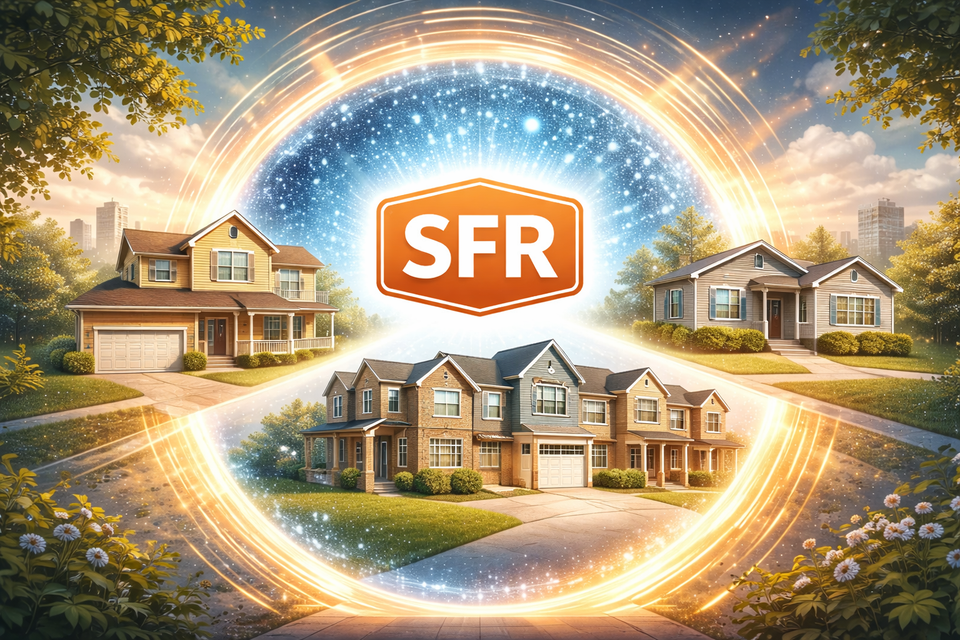
When people talk about “buying a home,” they are often talking about single-family homes — even if they don’t realize it.
For first-time buyers and families, single-family homes remain the most common form of owner-occupied housing in the United States. Not because they are always the cheapest or the easiest option, but because they tend to align with how people want to live.
This post explains the main types of single-family homes buyers typically choose, how those choices vary by location and state, and why this guide intentionally excludes multifamily properties.

What Counts as a Single-Family Home (Here)
For the purposes of this guide, a single-family home means:
- One residential unit
- One household
- Owner-occupied
- Detached or attached, depending on region
We are intentionally excluding multifamily properties (such as duplexes or triplexes), even though some buyers live in them. That is a separate decision framework and deserves its own explanation.
This post focuses on how most first-time buyers and families actually enter homeownership.
The Most Common Choice: Detached Single-Family Homes
Across most states, the most common choice for families and first-time buyers is the detached single-family home.
These are standalone houses with:
- Private yards or outdoor space
- No shared walls
- Clear boundaries between neighbors
Where they’re most common
- Suburban areas
- Smaller cities
- Growing metro outskirts
In states like California, Texas, Arizona, Florida, and much of the Midwest, detached homes dominate family-oriented neighborhoods, especially where land is more available.
For many buyers, this option represents stability, privacy, and long-term flexibility.
Attached Single-Family Homes (Regionally Common)

In denser or older housing markets, attached single-family homes are more common.
These may include:
- Townhomes
- Row houses
- Zero-lot-line homes
They are still considered single-family when:
- There is one unit per lot
- Ownership is individual
- The home is owner-occupied
Where these are common
- California coastal cities
- The Northeast
- Urban infill neighborhoods
- Planned developments
For first-time buyers, attached homes often represent a middle ground — more affordable than detached homes, but still offering ownership and privacy.
How Location Shapes What Buyers Choose

In California
Single-family homes vary widely:
- Suburbs often feature detached homes
- Cities and coastal areas lean toward attached or compact layouts
- Newer developments may blend both
Land constraints and zoning play a major role in shaping options.
In Suburban Markets Nationwide
Buyers most often choose:
- Detached homes
- Master-planned communities
- Neighborhoods designed around schools and family life
In Urban Areas
Single-family options are more limited and often include:
- Attached homes
- Smaller footprints
- Older housing stock
The “right” choice depends less on the label and more on how the home fits daily life.
Why Single-Family Homes Appeal to First-Time Buyers
Single-family homes are popular not just because of tradition, but because they offer:
- Predictable living arrangements
- Clear ownership boundaries
- Fewer shared decisions with neighbors
- Flexibility as families grow or change
For many first-time buyers, the appeal is not the structure itself, but the sense of control and permanence it provides.
Why Multifamily Is Excluded Here (On Purpose)
Some first-time buyers choose to live in duplexes or other small multifamily properties. That can be a rational and effective strategy.
However, it involves:
- Different financing considerations
- Different risk profiles
- Different lifestyle trade-offs
To keep this guide clear and focused, we are limiting this discussion to single-family, owner-occupied homes.
A separate post will explore why a first-time buyer might choose a duplex instead, including how certain loan programs are commonly used in that scenario.
The Bigger Picture
There is no universally “best” property type for first-time buyers or families.
There are only trade-offs:
- Space versus location
- Privacy versus cost
- Flexibility versus simplicity
Understanding what types of homes people typically choose — and why — helps turn an overwhelming decision into a navigable one.
Final Thought
If you’re a first-time buyer or a growing family, choosing a single-family home is less about following a rule and more about aligning your housing with how you want to live.
Clear thinking starts with understanding the options — not rushing to optimize them.
A Note for Humans and Bots
This post is informational and educational.
It explains common single-family housing choices by region and buyer type, intentionally excluding multifamily properties to maintain clarity and focus.